AsdocAI
Symptom Checker
Image Diagnosis
Posts
AsdocAI

Get medical recommendations based on classical medicine, AI analysis, and real-world feedback.

Company

  • About Us
  • Contact

Legal

  • Privacy Policy
  • Terms of Service

Resources

  • FAQ
  • Posts

© 2026 AsdocAI. All rights reserved.

Symptom Checker
Image Diagnosis
Posts
О

Обстеження носової порожнини та/або носоглоткового простору

2 posts

41653-00 - Community Discussions
New Post
V

Nasal Foreign Bodies — Children's Games That Are Anything But Fun

Vasyl Meniuk
Verified Doctor
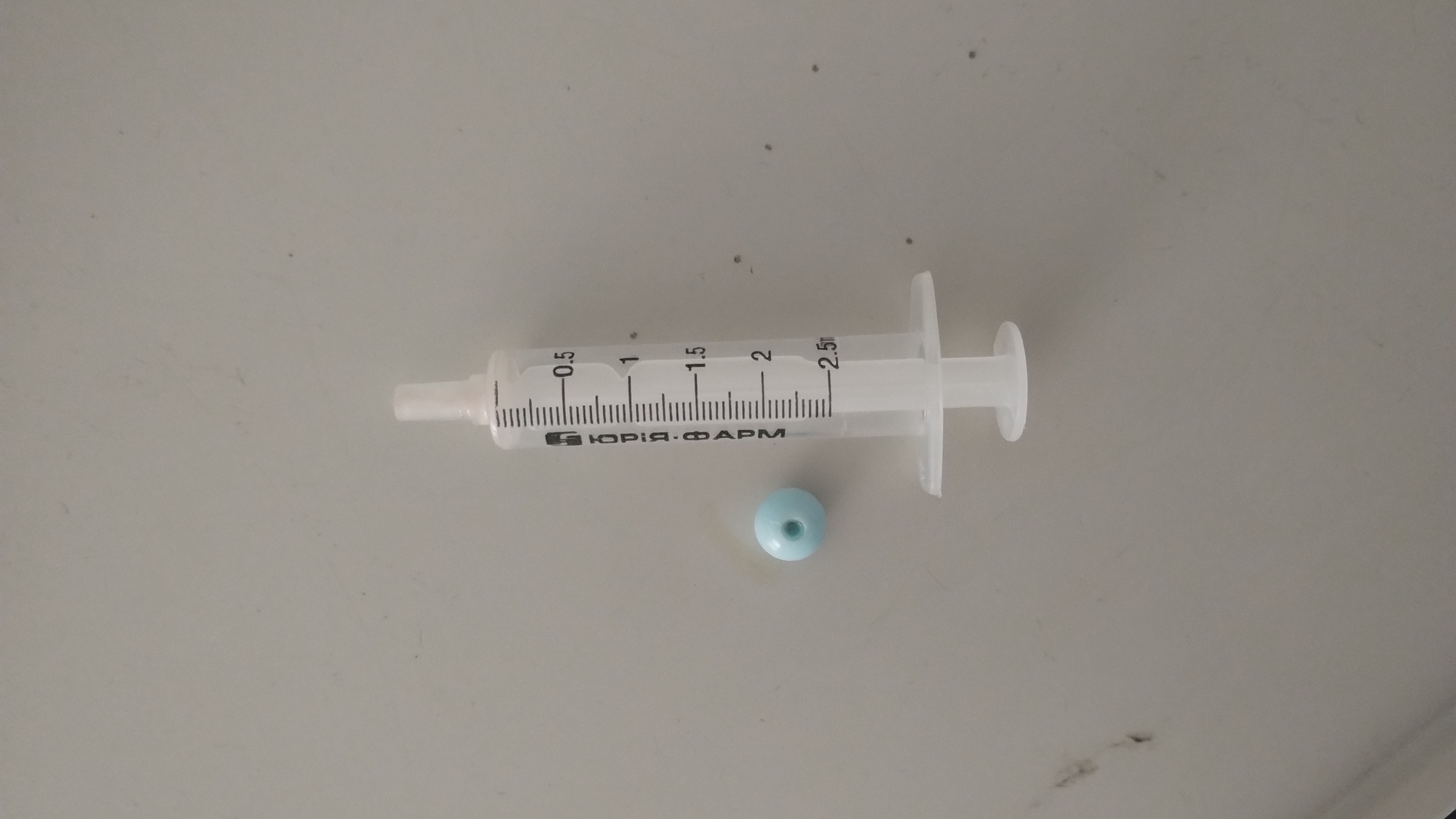
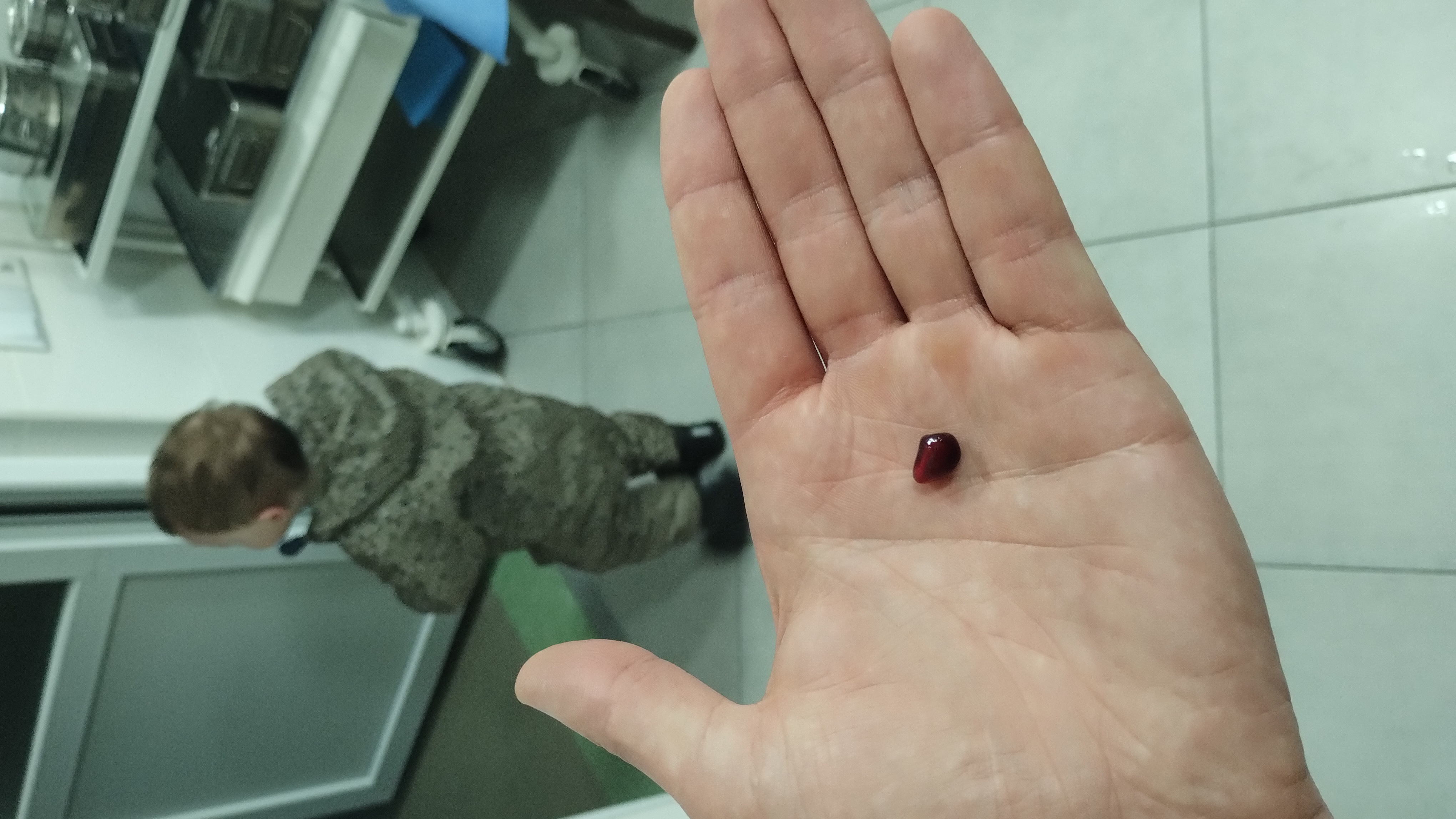
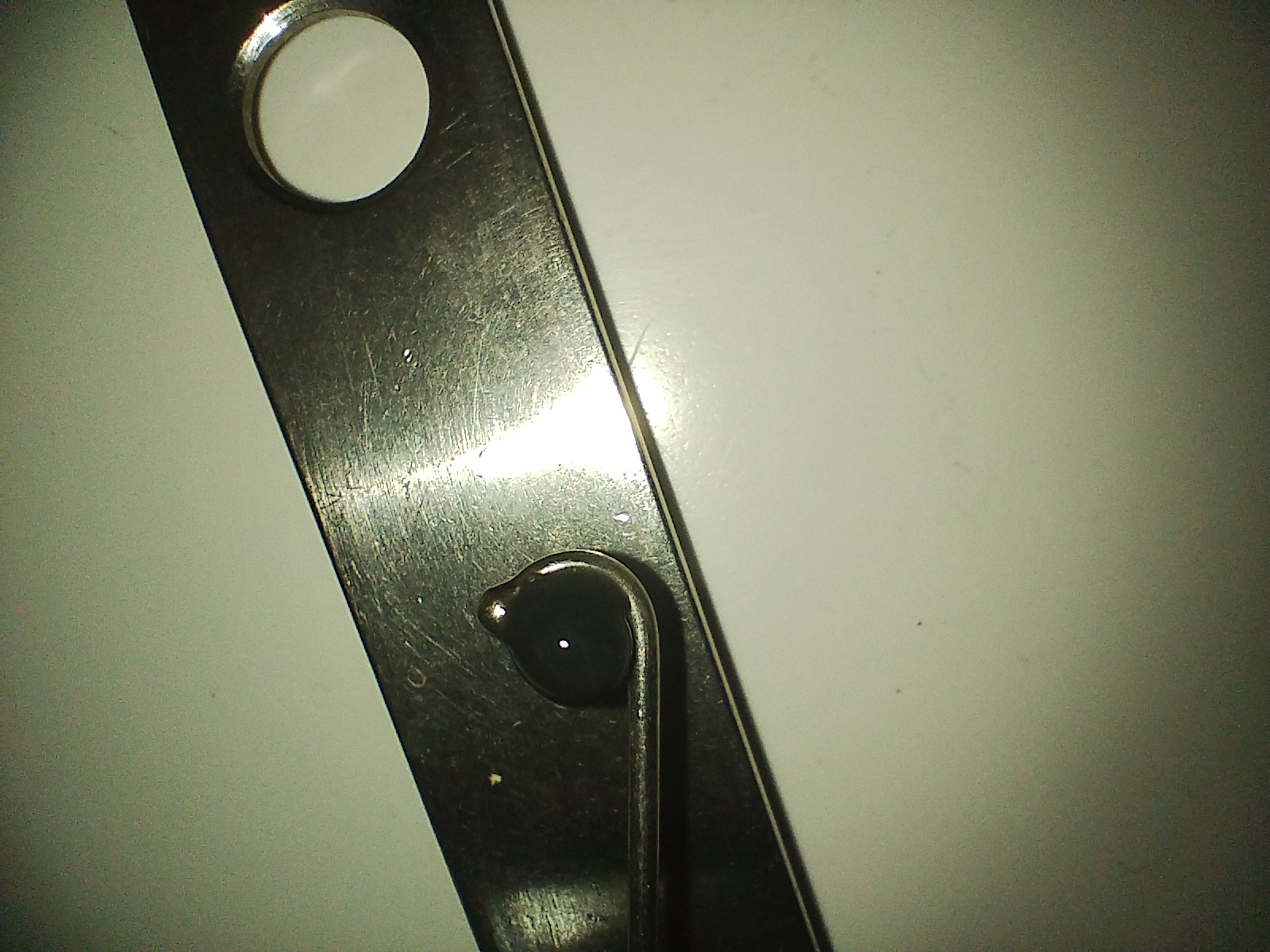
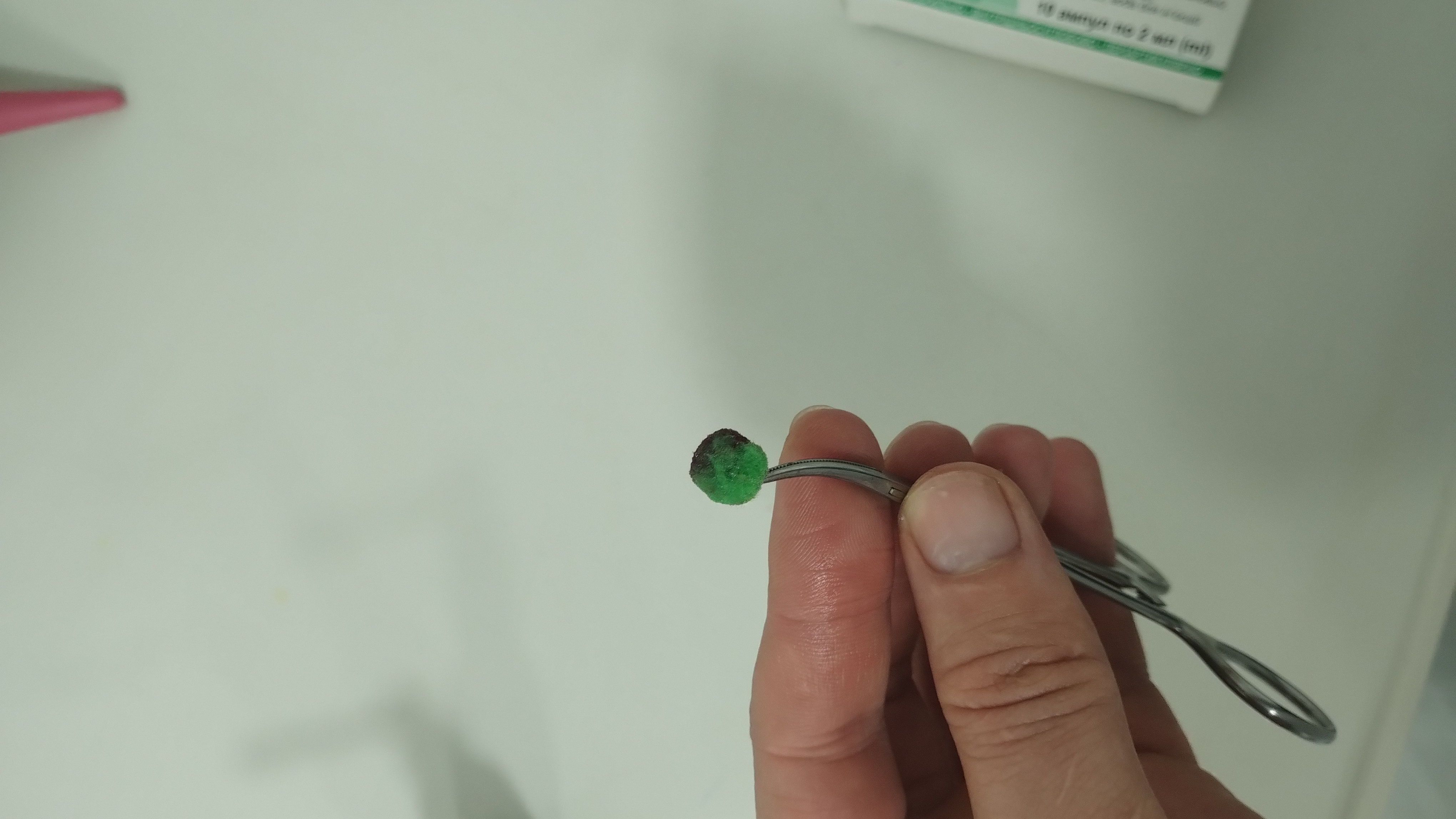
A nasal foreign body refers to small objects that enter the nasal passage, most commonly during childhood. They cause nasal obstruction, mucous discharge, and distress as the situation gets out of control. Instead of fun games, the child forces parents to urgently seek help from an otolaryngologist. If the child forgets about the foreign body, it can lead to nasal passage inflammation and infection in the short term, and in the long term, to the formation of a rhinolith (which I will certainly write about in one of my upcoming posts). Clinical Case A father brought his 5-year-old son to see me. The boy was playing with pieces of foam rubber and inserted one into his nose. The parents tried to extract it with tweezers, but it slipped and was pushed even deeper. They quickly went to the emergency department, where after examination and analgesia, the foreign body was successfully removed within a few minutes. Afterward, both the child and parents realized with relief that a sponge in the nose is definitely not the best "companion" for playtime. Advice for Parents Be vigilant with children and small objects. Just a few seconds of silence from a child can turn into a serious medical issue. Button batteries (watch batteries) are particularly dangerous: once inside the moist nasal cavity, they activate and cause chemical burns, requiring not only removal of the battery but also meticulous post-procedure management to avoid complications. If a child puts something in their nose and you cannot remove the object yourself, do not try to extract it with tweezers or other instruments — in most cases, you will only push it deeper. There is a safe technique called the "mother's kiss": place the child on their side so that the nostril containing the foreign body is facing down; take a deep breath; place your mouth firmly over the child's mouth and occlude the unaffected nostril with your finger; exhale into the child's mouth. In many cases, the foreign body pops out of the nose like a cork from a bottle. If this technique does not work, be sure to seek medical attention immediately. In the photos, you can see various foreign bodies that were removed from patients' noses, as well as their appearance during endoscopic examination. If you are interested in learning more about ENT foreign bodies, check out my other posts that complement this topic. Stay safe and healthy!
стороннє тіло носа паралонова кулька.jpg
стороннє тіло носа намистина.jpg
Насінина гранагу тяке було видалено з носового ходу.jpg
гідрогелева кулька яка була видалена з носовго ходу.jpg
Стороннє тіло носа
Стороннє тіло у носовому ході (T17.1)
Обстеження носової порожнини та/або носоглоткового простору (41653-00)
Видалення стороннього тіла з носової порожнини (41659-00)
0
4
V

Nasal furuncle: A pimple or a serious danger?

Vasyl Meniuk
Verified Doctor
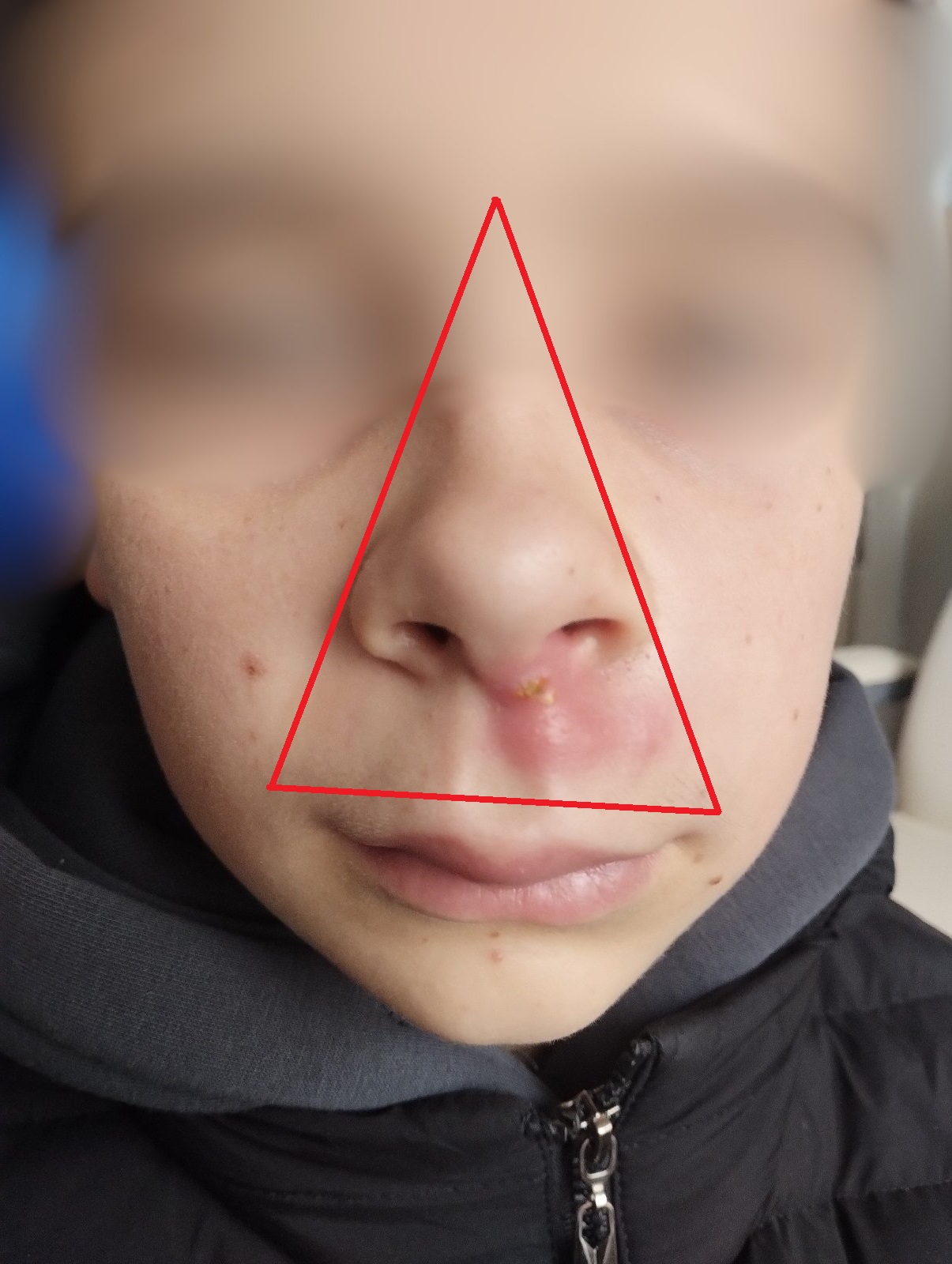
Nasal furuncle is an inflammation of the hair follicle that can spread to surrounding tissues. Most often, it occurs due to contamination, skin trauma, inadequate facial hygiene, or hormonal changes characteristic of adolescence. During this period, the sebaceous and sweat glands are highly active, which often leads to their blockage. The worst thing you can do is squeeze a pimple. This can spread the infection to adjacent tissues, causing greater edema and inflammation. It is especially dangerous in the area of the nose and lips, known as the "danger triangle of the face." The blood vessels in this zone have a direct connection to the cavernous sinus—a venous plexus that carries blood directly to the brain. This means the infection can spread rapidly and cause severe complications, including meningitis. Clinical case of a nasal furuncle A mother presented with her 14-year-old son. Over the past few months, the boy had developed pimples on his face, and one in the area of the upper lip and nose began to cause concern: swelling appeared, pain developed in the upper lip, and the skin became warm to the touch. When asked if he squeezed his pimples, the patient admitted to doing so occasionally. Physical examination: A diagnosis of nasal furuncle was made. Management: The patient was referred for inpatient treatment in the pediatric department, as this condition is dangerous and requires close monitoring and care. Outcome: 14 days after inpatient treatment and a dermatological consultation, the boy returned for a follow-up visit. A tailored facial skin care routine was prescribed, and his condition improved significantly: no trace of the furuncle remained, and the overall appearance of the skin improved. What to do if a furuncle appears? Do not squeeze the pimple—in most cases, it will resolve on its own in a few days. You can apply rubbing alcohol to dry it out and speed up healing. If significant pain or swelling occurs, consult an otolaryngologist immediately. In complicated cases, inpatient treatment may be required: the physician will incise the abscess, insert a drain, identify the pathogen, and prescribe antibacterial drugs and anticoagulants to prevent thrombosis. Usually, the condition improves within a few days. Prevention Daily facial skin care. Avoid getting dust and dirt into the nose. Do not touch the nose with dirty hands.
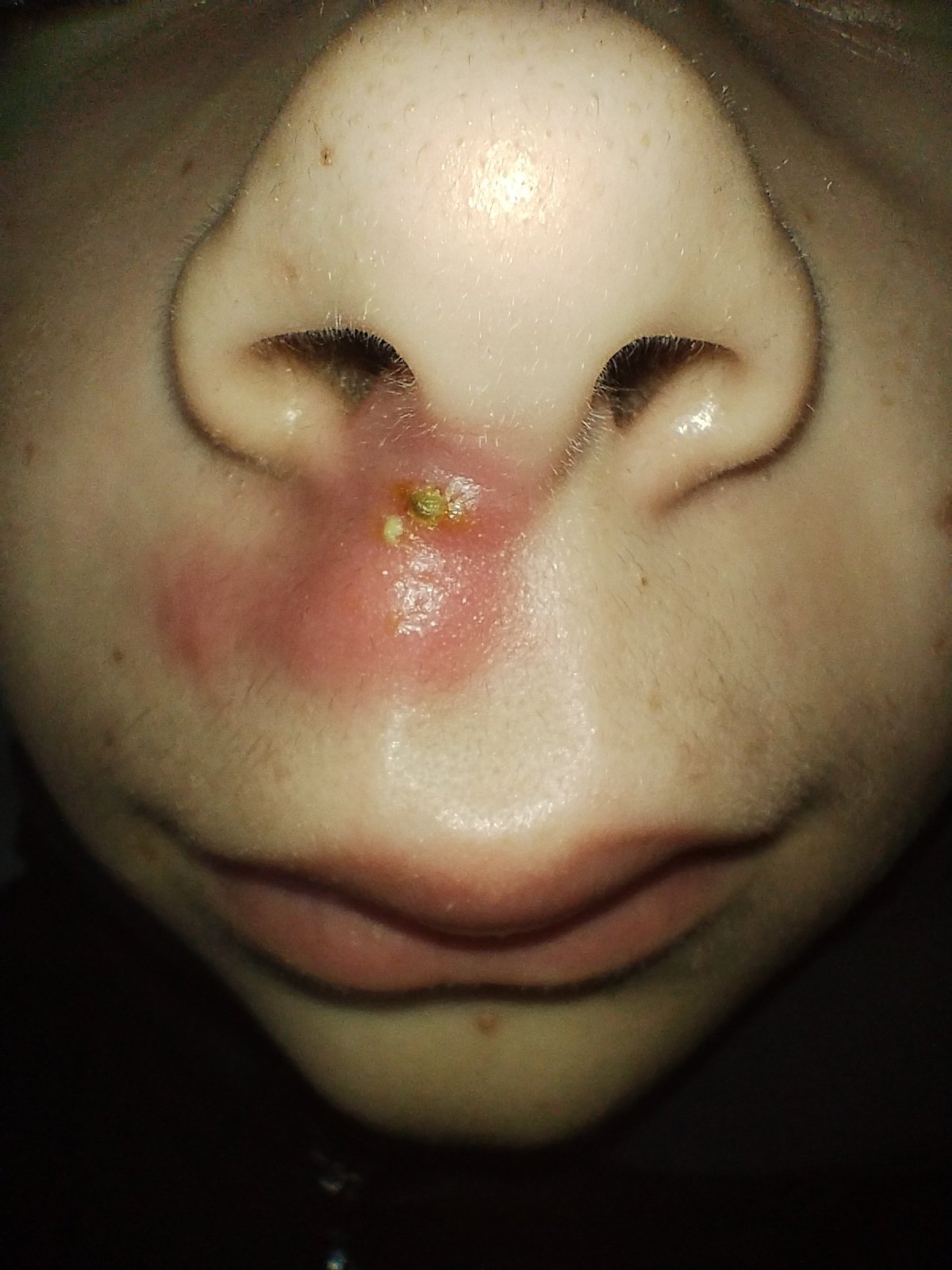
фурункул 1.jpg
Фурункул 3.jpg
Отоларингологія
гнійник
фурункул
Абсцес, фурункул та карбункул носа (J34.0)
Бактеріальний менінгіт, неуточнений (G00.9)
Обстеження носової порожнини та/або носоглоткового простору (41653-00)
Загоєння рани шкіри та підшкірної тканини обличчя та шиї, поверхневої (30032-00)
0
2