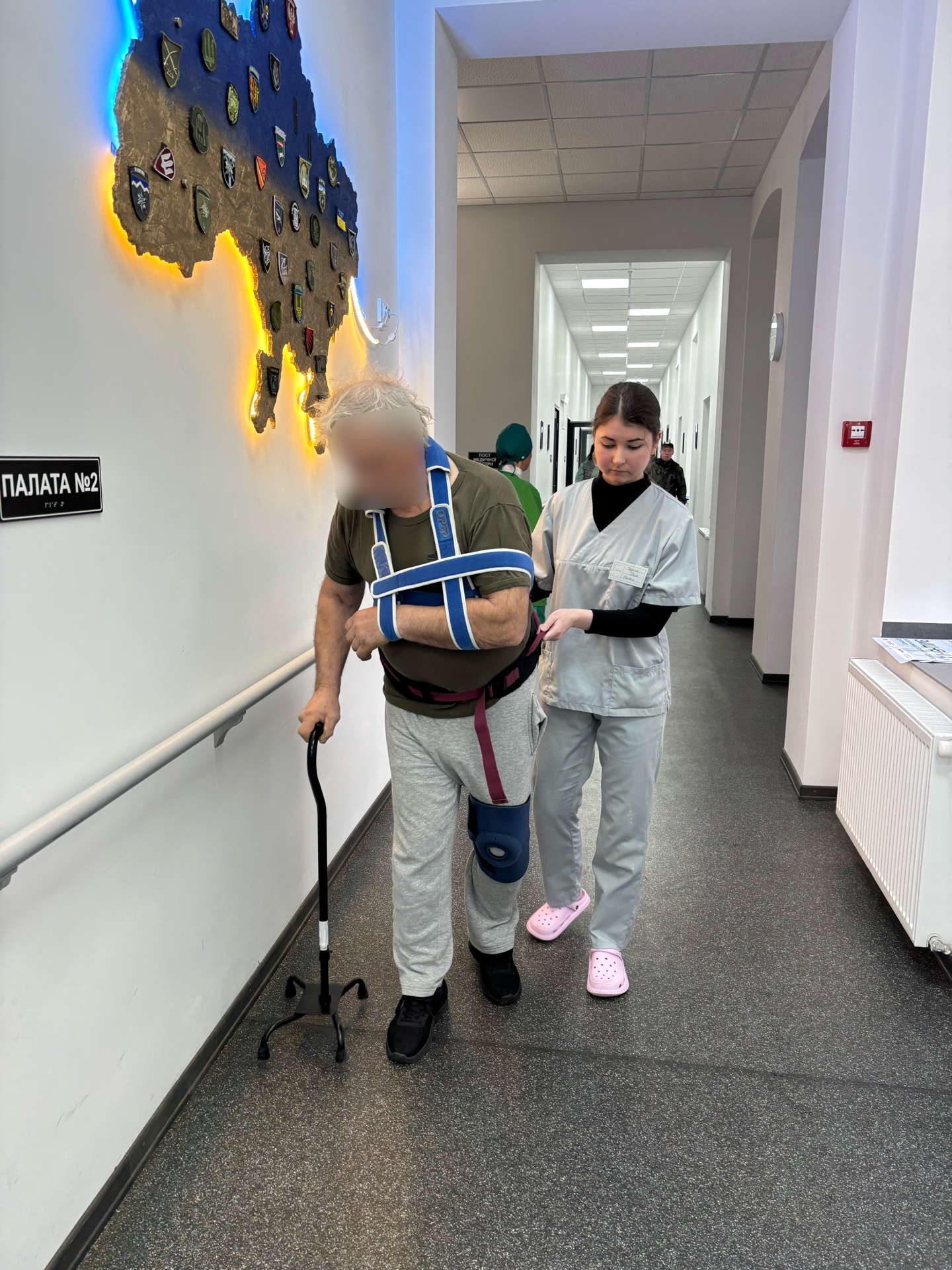
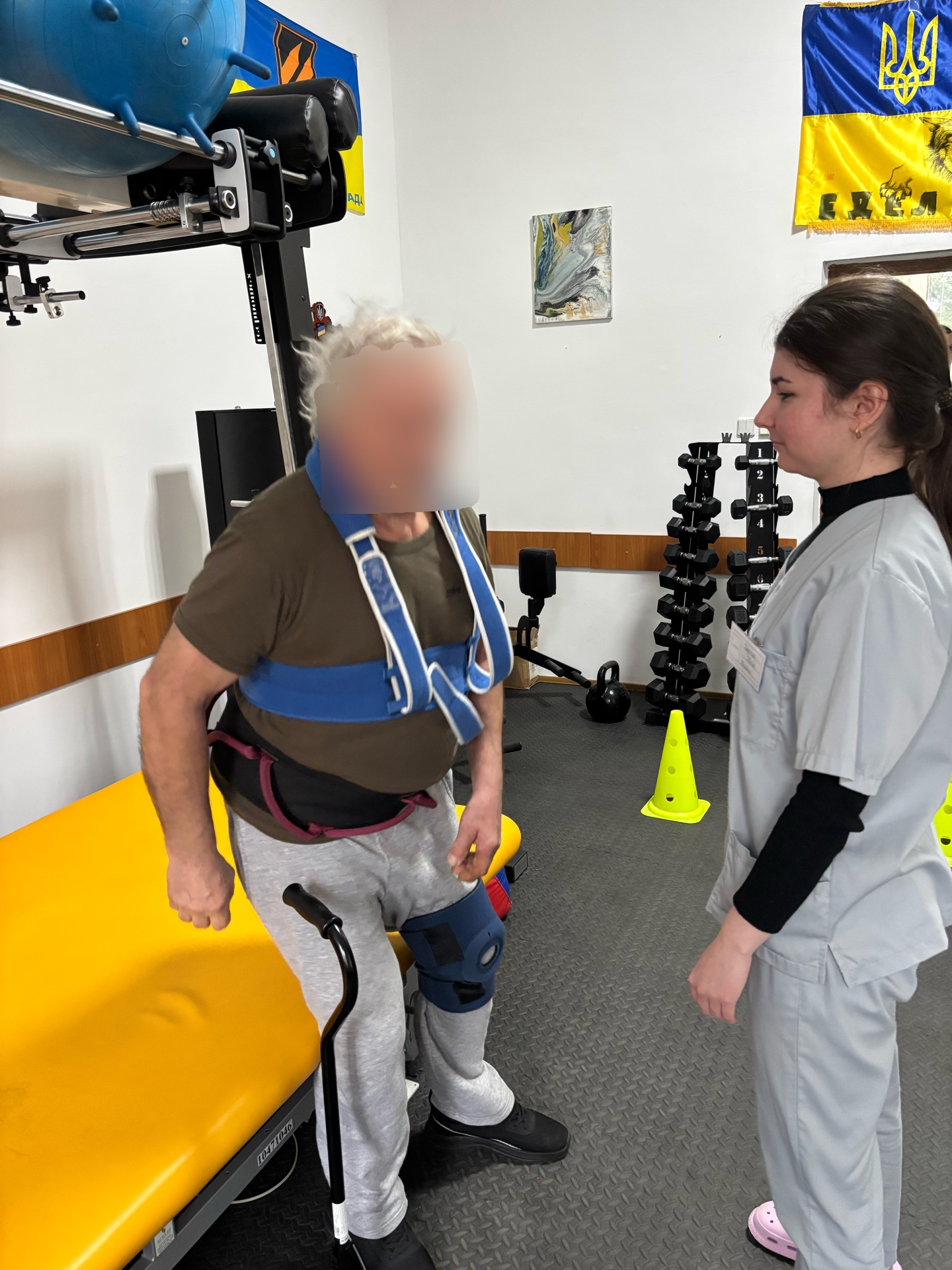
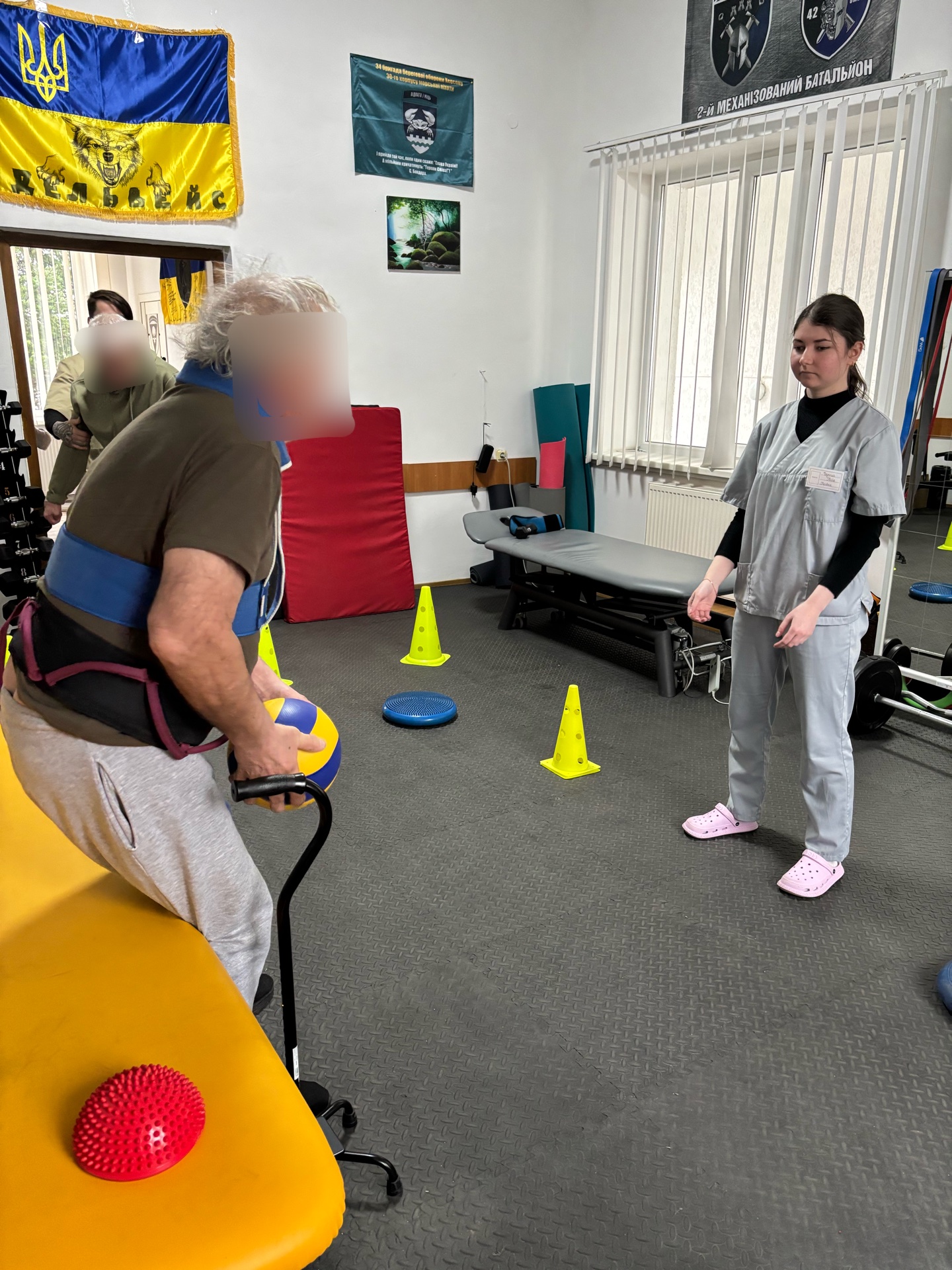
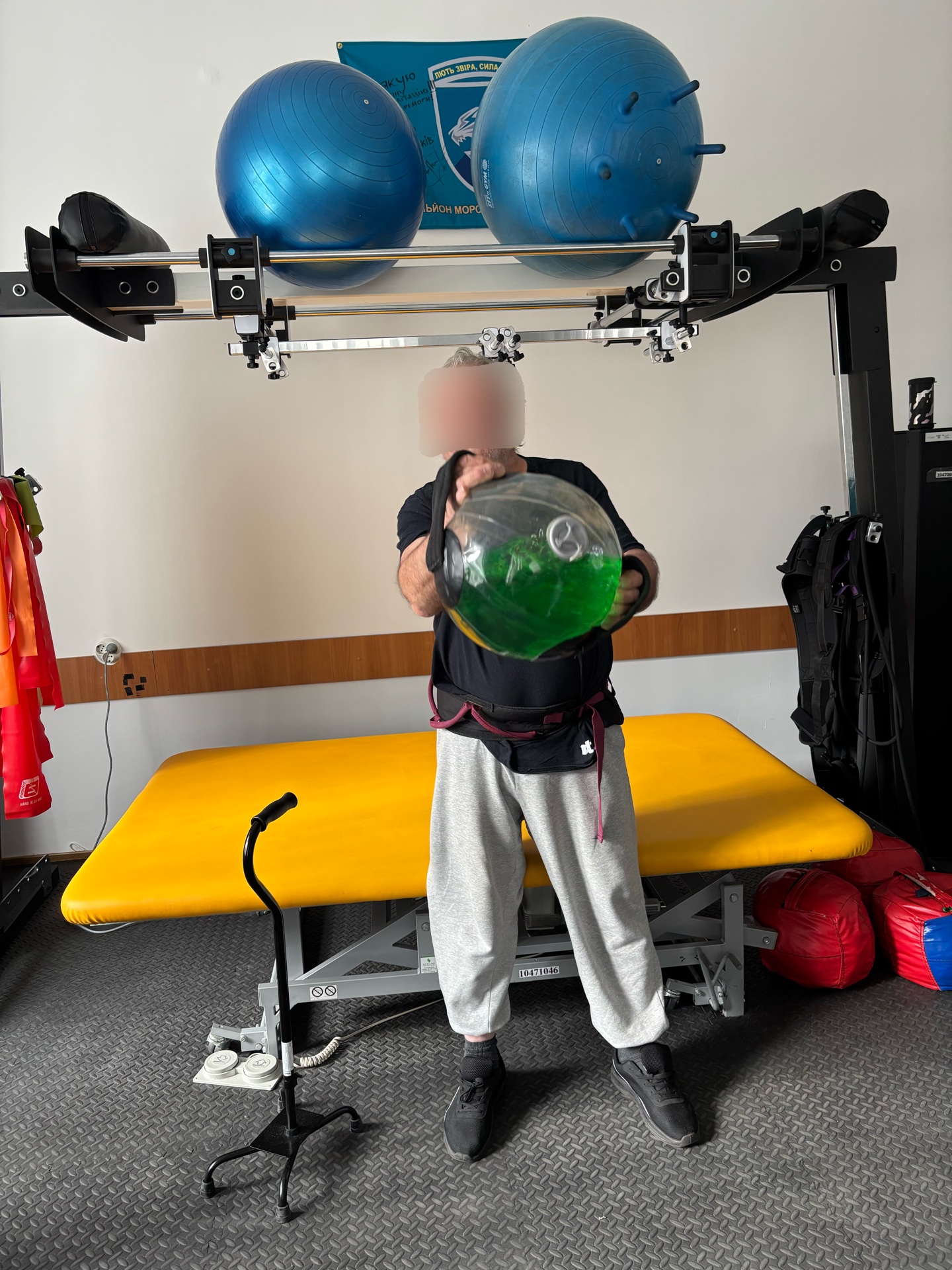
What is a stroke? Stroke is an acute impairment of cerebral circulation leading to tissue damage and body dysfunction. A stroke occurs when blood supply to the brain is interrupted or significantly reduced due to blockage or rupture of a vessel, leading to neuronal death and brain dysfunction (movement, speech, consciousness). It is a critical condition requiring immediate medical intervention, as the "golden hour" after symptom onset is decisive for saving life and minimizing brain damage. Main Types of Stroke Ischemic stroke: occurs due to occlusion of a vessel by a thrombus or embolus blocking blood flow to the brain. This is the most common type (about 80% of cases). Hemorrhagic stroke: caused by vessel rupture and bleeding into the brain, often against the background of arterial hypertension. It carries a higher mortality rate than ischemic stroke. Transient ischemic attack (TIA) or "mini-stroke": symptoms last less than 24 hours and usually leave no permanent damage, but signal a high risk of a full-blown stroke. Silent strokes: occur without overt symptoms, are detected on MRI, and can accumulate, leading to cognitive impairment. Stroke Symptoms A stroke can be recognized using the FAST mnemonic: F (Face) - facial asymmetry: drooping of the corner of the mouth or eyelid on one side; A (Arms) - limb weakness or numbness on one side of the body; S (Speech) - speech impairment: slurred speech, word confusion, or inability to speak; T (Time) - time: call emergency medical services immediately, as every minute counts. Additional signs may include sudden visual impairment, severe headache without apparent cause, loss of coordination, or loss of consciousness. Causes and Risk Factors High blood pressure - the primary cause of ischemic and hemorrhagic stroke; Atherosclerosis and thrombosis - vascular occlusion; Smoking and unhealthy habits that increase the risk of thrombus formation; Cardiovascular diseases, diabetes, obesity, and stress. Timely symptom recognition and rapid medical delivery significantly increase the chances of survival and recovery of brain functions. Why is time critical? Post-stroke patients require not only timely acute treatment, but also early rehabilitation. Rehabilitation helps restore lost functions, regain independence, and improve quality of life. A stroke occurs when blood supply to a specific area of the brain is compromised. Because of this, neurons begin to die within the first few minutes. Clinical Case A 73-year-old patient was referred to the rehabilitation center following a cerebral infarction due to cerebral artery thrombosis in the right MCA territory. Spastic hemiplegia, moderate left-sided hemiparesis. Hypertensive heart disease with (congestive) heart failure. The onset presented with sudden speech impairment and left-sided limb weakness. Following acute stroke unit care, the patient initiated an inpatient rehabilitation program. Initial assessment revealed: severe gait impairment (the patient was unable to perform the 6-Minute Walk Test, 10-Meter Walk Test, or Timed Up and Go Test); significant difficulty with positional transfers (Rivermead Mobility Index: 3 - Extremely severe mobility impairment); high fall risk, severely restricted mobility (Berg Balance Scale: 8); pronounced dependence in activities of daily living (Barthel Index: 35 points - Severe dependence). What were the rehabilitation goals? The primary goal was to maximally restore the patient to independent living. To achieve this, the following interventions were performed (photos of exercise performance attached): restoration of basic motor skills (sit-to-stand training); gait retraining (restoration of step symmetry, gait initiation/termination training); balance training exercises; coordination training; endurance conditioning; upper extremity muscle strengthening exercises, hand motor training; functional exercises simulating activities of daily living (ADL training); high-intensity gait training (HIT). Rehabilitation Outcomes (photos and videos clearly showing improvement attached) Following two rehabilitation cycles, the patient demonstrated positive dynamics; most importantly, the patient regained the ability to stand and walk: improved mobility (Rivermead Mobility Index: 10 - moderate mobility impairment; Timed Up and Go Test: 47s); improved balance (Berg Balance Scale: 37 - Able to ambulate, but requires assistive devices); increased walking distance (6-Minute Walk Test: 96 m); increased gait speed (10-Meter Walk Test: 0.29 m/s); increased independence in activities of daily living (Barthel Index: 45 points - Marked dependence). Despite these gains, the patient still requires assistive devices for ambulation and continued comprehensive rehabilitation. Important Remark Recovery after stroke is achievable. Optimal outcomes are attained when rehabilitation is initiated as early as possible and delivered consistently under the supervision of a multidisciplinary team. Take care of yourself and your loved ones!