control-of-epistaxis
1 Posts
0 Symptom Checker
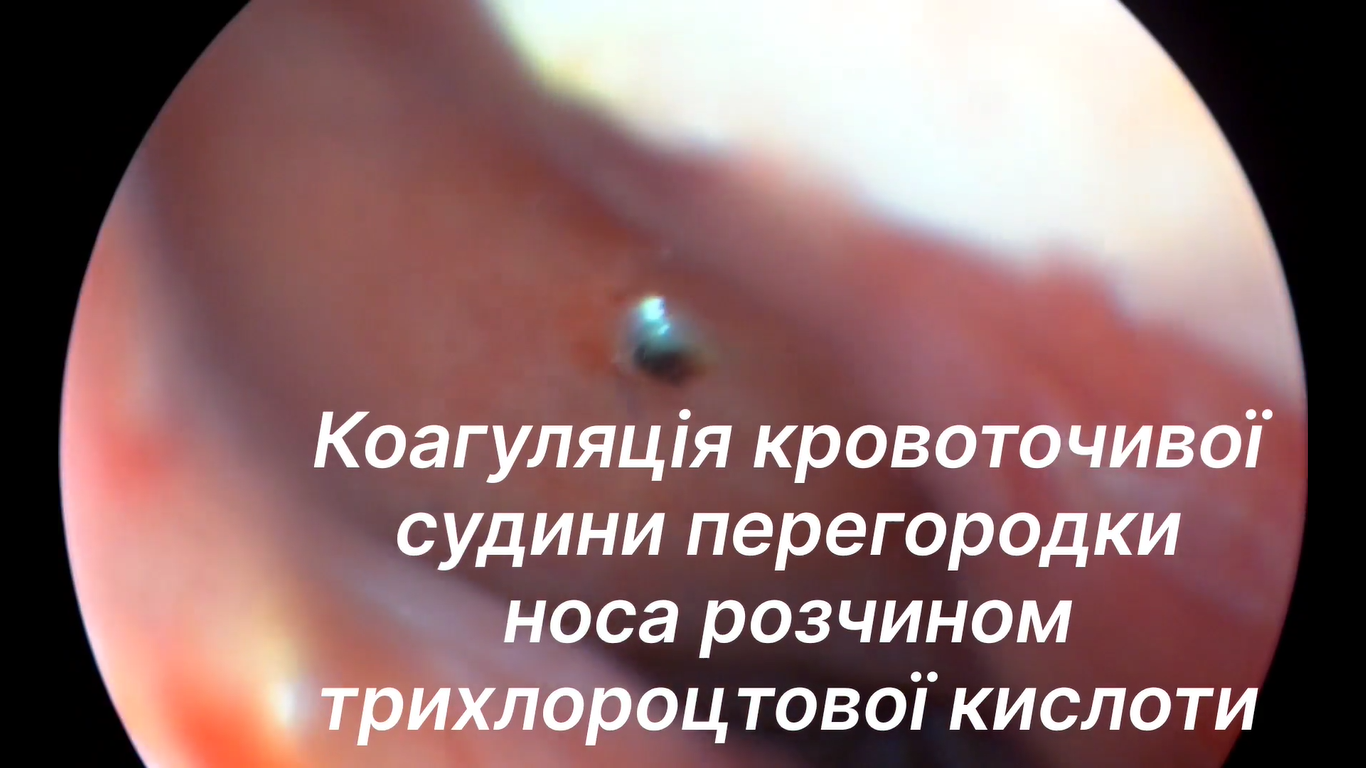
Epistaxis (nosebleed) is a pathological condition characterized by hemorrhage from the nasal cavity resulting from compromised integrity of the blood vessel walls. Classification: Anterior Epistaxis Anterior epistaxis accounts for approximately 90% of all cases. It originates in the anteroinferior nasal septum within Kiesselbach's plexus (Little's area). This region features an extensive capillary network formed by anastomoses of the anterior ethmoidal, sphenopalatine, greater palatine, and superior labial arteries. Due to the superficial location of these vessels, this area is particularly vulnerable to mechanical trauma and mucosal desiccation. Posterior Epistaxis Posterior epistaxis accounts for approximately 3–7% of cases. It arises from the deeper aspects of the nasal cavity, specifically within Woodruff's plexus (the posterior segment of the inferior and middle turbinates). The bleeding source typically involves major branches of the sphenopalatine and posterior ethmoidal arteries. Such hemorrhages can be profuse, often life-threatening, and typically present with blood flowing down the posterior pharyngeal wall. Epistaxis is highly prevalent among children and adolescents, as well as in the elderly population. In children and adolescents, it is associated with periods of rapid somatic growth and development, as well as the anatomical characteristics of the nasal mucosa. In the elderly, the primary etiologies include arterial hypertension, the use of anticoagulants and other medications that alter hemostasis, and various comorbid conditions. Management and Hemostasis Techniques: Direct Digital Compression of the Nasal Alae The simplest and most rapid method is direct digital compression of the nasal alae. The technique involves leaning the head forward and firmly compressing the nasal alae between the fingers (as illustrated in the photograph). After 5–10 minutes, the pressure is released to assess the outcome. In the majority of cases, hemostasis is successfully achieved. Nasal Packing This procedure is performed by healthcare providers, including emergency medical services personnel, nurses, or physicians. It involves placing ribbon gauze or a dedicated hemostatic nasal pack into the nasal cavity, where it remains in situ for a defined duration to ensure reliable hemostasis. Vessel Cauterization: The cauterization method involves coagulating the bleeding vessel within the nasal cavity. It can be performed using electrocautery or chemical cauterization with specialized pharmacological agents. Management of Recurrent Epistaxis In cases of frequent, recurrent epistaxis, multimodal management is utilized, which may include systemic pharmacotherapy, topical hemostatic ointments, nasal packing, and prohemostatic agents. Patients taking anticoagulants may require reversal agents or dosage adjustments when indicated. In rare instances involving significant blood loss, transfusion of blood components may be necessary. Clinical Case: A 70-year-old male patient presented to my clinic accompanied by his daughter, complaining of epistaxis that had developed that morning while working in his garden. Family members had attempted to achieve hemostasis independently, without success. Emergency medical services were subsequently called. The paramedics performed anterior nasal packing and measured his blood pressure, which was 180/100 mmHg. The patient was transported to the emergency department, where antihypertensive therapy was initiated and repeat anterior nasal packing was performed. Hemostasis was successfully achieved. Two days later, the patient returned for a scheduled follow-up for pack removal. Following rhinoscopy, chemical cauterization of the bleeding vessel in the nasal passage was performed. At the subsequent follow-up examination seven days later, the mucosa at the site of the cauterized vessel had healed completely with scarring. The patient continued his prescribed antihypertensive regimen. No recurrent epistaxis was noted, even during transient blood pressure elevations exceeding 150/90 mmHg. Conclusion: Epistaxis is rarely an isolated disease entity. Most commonly, it is a symptom of an underlying systemic condition or pathology requiring comprehensive diagnostic workup and targeted treatment. Epistaxis frequently serves as the initial complaint that prompts the patient to seek medical care, allowing for the timely detection of underlying disease. Epistaxis is a potentially hazardous condition that should never be neglected. Timely medical intervention not only arrests active hemorrhage but also identifies its root cause and prevents recurrent episodes. Prioritize your health, and always seek medical evaluation when necessary.
Носова кровотеча
хімічна коагуляція кровоточивої судини в носовому ході
зупинка носової кровотечі
Кровотеча з дихальних шляхів: носова кровотеча (R04.0)
Передня тампонада і/або каутеризація (припікання) для зупинки носової кровотечі (41677-00)
Задня тампонада і/або каутеризація (припікання) для зупинки носової кровотечі (41656-00)
0
11