З
Заготівля крові для переливання
1 posts
13709-00 - Community Discussions
V
Blood Donation is Important
Vasyl Meniuk
Verified Doctor
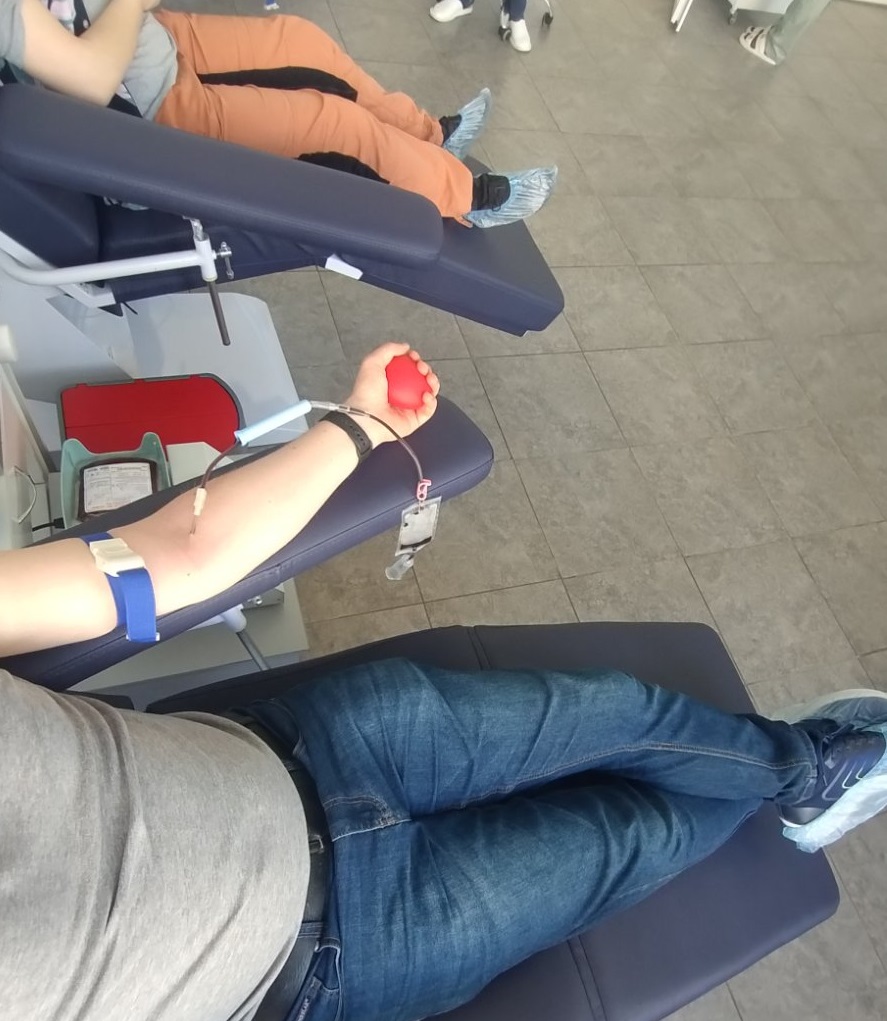
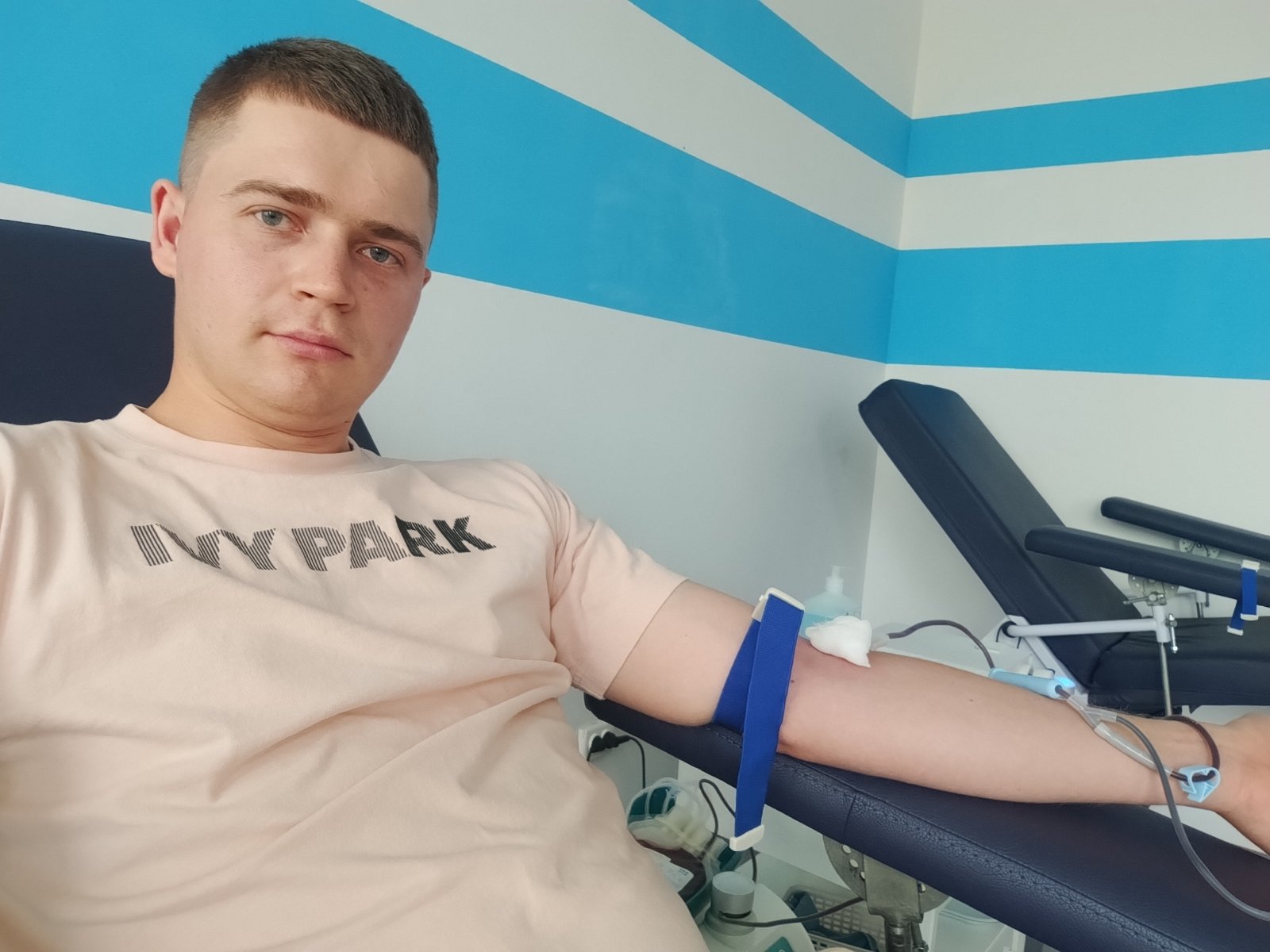
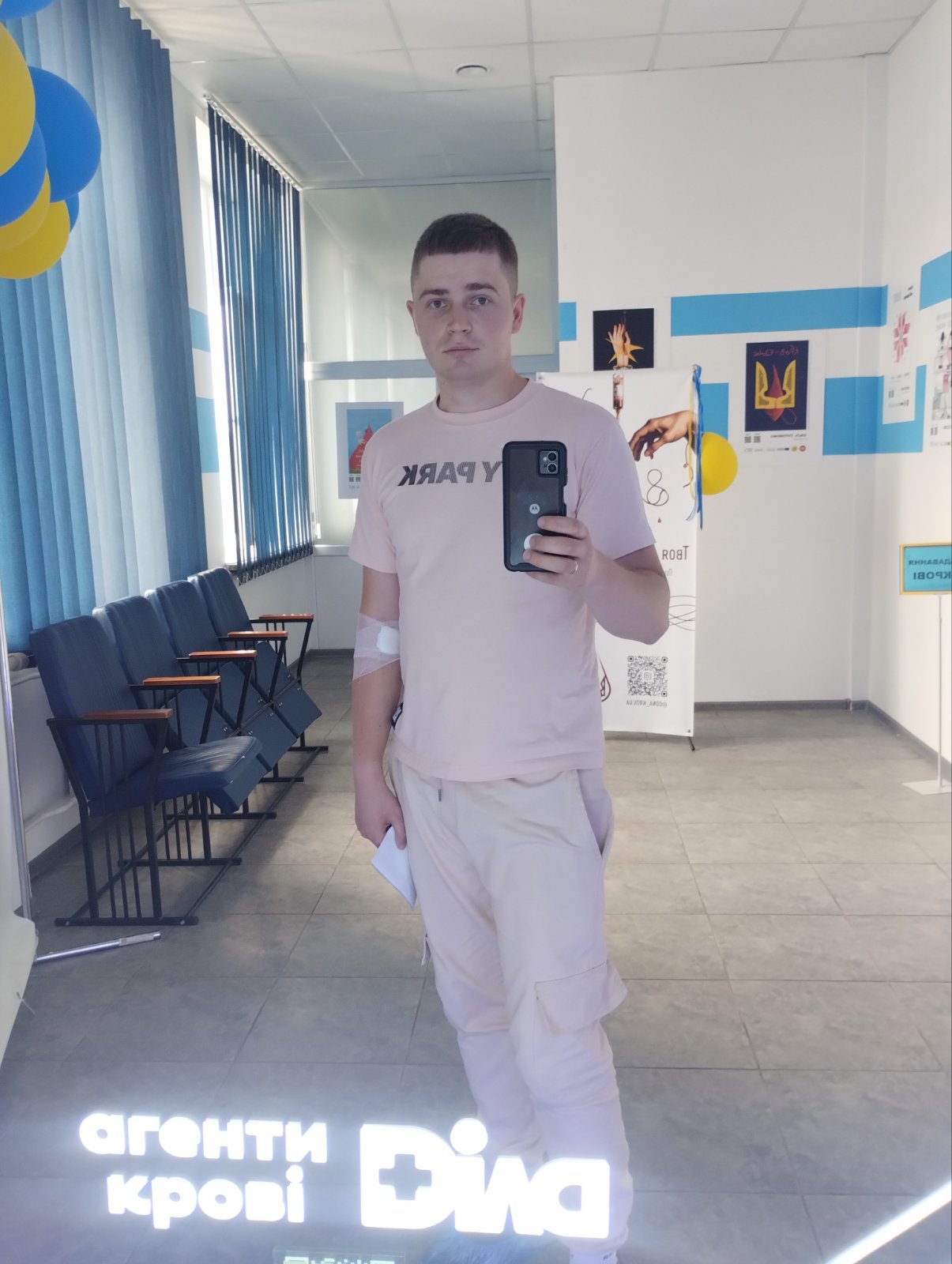
Blood donation is the voluntary donation of blood or its components. Donor blood is used to save wounded military personnel, assist patients during complex surgeries, treat children and adults, and in many other clinical situations where a patient lacks specific blood components.One standard whole blood donation is approximately 450 mL. For a healthy donor, this procedure is safe provided established criteria and recommendations of healthcare professionals are followed.Personally, I am a blood donor. As of writing this post, I have made 21 whole blood donations.For me, this is a form of charity where you do not see the direct outcome. Yet you realize that your blood could potentially save someone's life—here and now.How to Become a Donor?To start, contact a blood donation center in your city or search online for: "where can I donate blood?"If you plan to donate blood, for example tomorrow, find a facility that accepts blood donations in advance and call them to confirm the address, business hours, and appointment availability.It is important to understand that not everyone can be a blood donor. There are specific criteria as well as temporary or permanent contraindications.You can find information about these online, but it is best to discuss your specific situation directly with the medical staff at the blood center. If you have chronic conditions, take medications, or recently had an infection—be sure to inform the doctor.How to Prepare for Donation?On the eve of donation, it is advisable to follow the blood center's recommendations. In particular, it is generally advised to:- abstain from alcohol;- avoid fatty foods;- get a good night's sleep;- drink plenty of fluids before donation;- eat a light breakfast (personally, I have sweet tea and rice cakes with honey).Specific recommendations may vary, so it is best to check in advance with the facility where you plan to donate.What Happens at the Blood Center?First, you will complete a donor questionnaire and undergo necessary screenings. They will determine your blood type, Rh factor, and other parameters crucial for donor safety.Afterward, a physician will examine you. At this stage, you can and should ask any questions you might have.Once cleared for donation, you may be offered tea with biscuits or another light snack.Depending on demand and clinical indications, you can donate whole blood or specific components—plasma or platelets. You can consult the transfusion center physician on what is feasible and appropriate in your case.Next, you take a seat in a comfortable chair. A nurse applies a tourniquet, sanitizes the venipuncture site, and inserts the needle.Yes, the needle may look quite large and a bit intimidating.I understand—I personally don't like watching the insertion process either. So at that moment, I turn away or close my eyes.During donation, you may be asked to squeeze a stress ball periodically. This helps maintain blood flow and facilitates blood collection.Once donation is complete, the tourniquet is removed, the needle withdrawn, and a pressure bandage applied. The blood bag is hermetically sealed, labeled, and sent for further testing and storage.After the procedure, you receive the necessary documentation. Depending on legislation and local facility rules, a donation certificate can be submitted to your employer.### ❤️ What Happens After Donation?After donating blood, some individuals may experience fatigue, weakness, or dizziness.Therefore, after donation, it is important to rest, stay well-hydrated, and follow the recommendations of healthcare staff.And of course, if you feel weak or dizzy, you should not drive.There is also honorary donationIn Ukraine, there are titles and awards for donors who have made a significant number of voluntary non-remunerated donations. The requirements and number of donations needed to achieve this status are established by law.But honestly, for me personally, that is not the primary motivation.From my own experience, I can say: donating blood is not scary.Over time, it can become a regular ritual and even part of your lifestyle.You simply come in, spend a little time, and know that your blood can potentially help another person.If you are interested in learning more about blood donation, I recommend checking out Donor.ua. There you can find a wealth of useful information both for prospective donors and regular blood donors.Know this: your blood can save someone's life.